
Sales incentives live or die by one question: does the reward actually motivate? Cash bonuses fade. Merchandise collects dust. But a luxury travel experience? That gets talked about in the break room, shared at the dinner table, and remembered years after the trip is over.
Effective incentive travel planning isn’t just about picking a nice destination. It’s a strategic process, one that starts with your sales goals and ends with measurable business results. Here’s how to build a program that delivers.
Step 1: Start with the Business Outcome, Not the Trip
The most common mistake in incentive travel planning is leading with the destination. Before you think about where your winners are going, clarify what you’re trying to achieve.
Ask yourself: Are you driving new revenue? Accelerating deal cycles? Retaining top performers? Encouraging cross-sell behavior?
The behavior you want to reward should shape every decision that follows, who qualifies, how winners are selected, and what the reward communicates about your company’s values. A well-designed incentive isn’t just a vacation. It’s a signal.
Step 2: Define Clear, Attainable Qualification Criteria
The best incentive travel programs create aspiration for many, not just recognition for one. If only your top 1% of performers can realistically qualify, you’ve already lost most of your team.
Structure your criteria so a meaningful portion of the sales force has a realistic shot. This might mean tiered qualification levels, team-based performance goals, or recognition across multiple categories, new business, client retention, product mix, and so on. When more people are in the running, more people perform.
Communicate the criteria early, clearly, and often. Anticipation is half the motivational value. When a rep can picture themselves on that trip from day one of the quarter, it changes how they show up every single day.
Step 3: Match the Reward to the Achiever
Not every top performer wants the same thing. A parent of young children may dream of a family resort experience. A younger rep might be energized by an adventure-driven destination. A veteran sales leader might value a sophisticated cultural experience in Edinburgh or a wine country retreat in Tuscany.
This is why individual incentive travel consistently outperforms one-size-fits-all reward structures. When each achiever can select a destination that genuinely resonates with them, the reward lands with far greater emotional impact, and that impact is what drives loyalty.
Step 4: Structure Your Investment by Tier
Smart incentive travel planning means aligning your reward investment with performance levels, not awarding the same trip to every qualifier regardless of achievement.
A tiered approach gives you flexibility and scale:
- Entry-level achievers might be rewarded with a domestic luxury experience, think New Orleans’ historic charm, the mountain escapes of Colorado, or the culinary scene of Seattle.
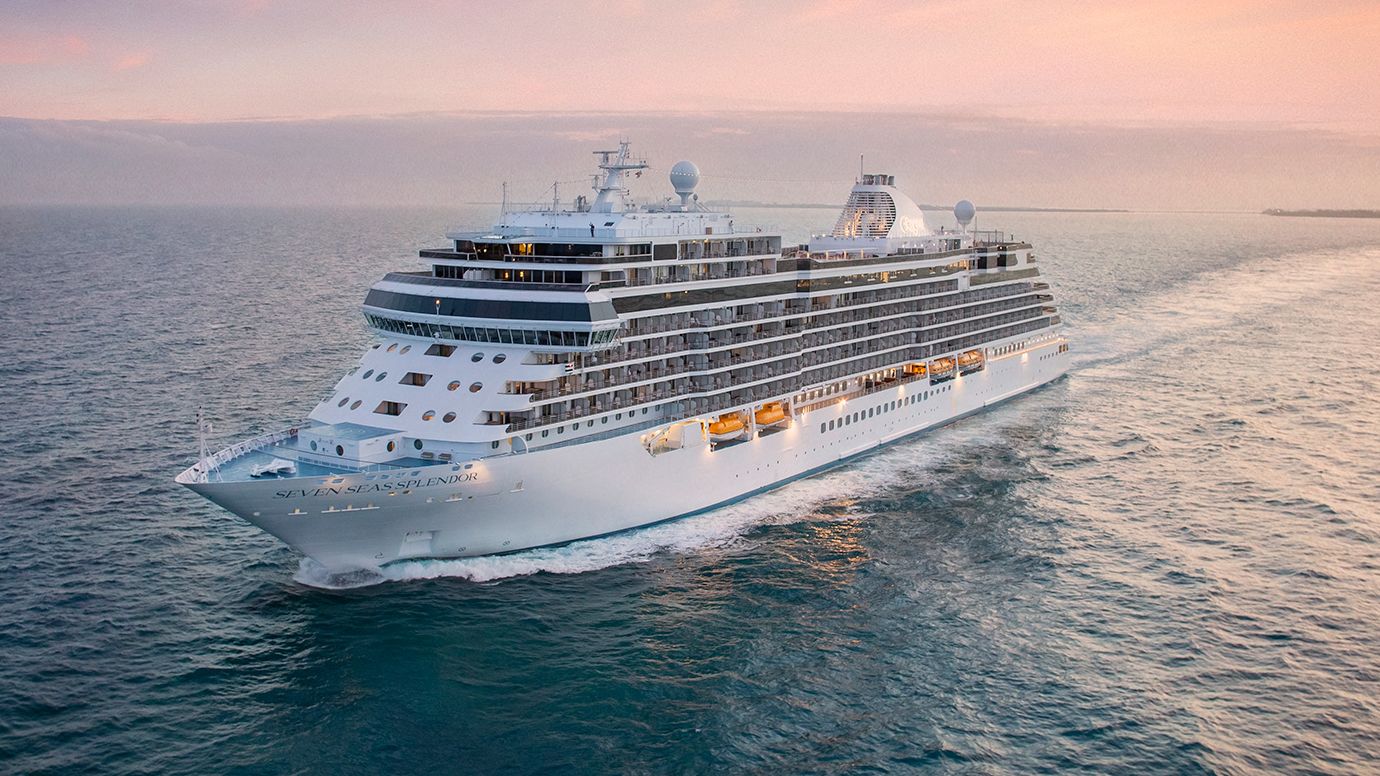
- Mid-level performers can unlock elevated experiences, a Four Seasons property anywhere in the world, a Regent Seven Seas luxury cruise, or iconic European destinations like London, Paris, or Dublin.
- Elite achievers deserve your most aspirational offerings, Dubrovnik, Croatia’s stunning Adriatic coastline; the ancient temples and vibrant streets of Tokyo or Kyoto; or the unspoiled beauty of the Hawaiian Islands.
This structure creates a natural performance ladder. Earners at every level have something to strive for, and a reason to push a little harder.
Step 5: Eliminate the Logistics Burden
Here’s the part that stops many organizations from launching an incentive travel program at all: the operational complexity. Coordinating flights, hotels, excursions, travel insurance, and on-trip support for individual employees sounds like a full-time job.
It doesn’t have to be. With a fully managed solution like Luxury Concierge Travel’s Moments program, the planning burden disappears entirely. Sales leaders and HR teams simply select a reward tier. From there, the concierge team handles destination selection, booking, a personalized travel app, a premium physical reward package, and 24/7 support throughout the trip.
No setup fees. No vendor management. No logistics headaches. Just a seamless, white-glove experience for your achievers, and all the credit for you.
Step 6: Measure What Matters
Incentive travel planning doesn’t end when the trip is booked. Build measurement into your program from the start so you can demonstrate ROI to leadership and refine future programs.
Key metrics to track include:
- Revenue performance during the incentive period vs. baseline
- Quota attainment rates compared to non-incentive quarters
- Retention rates among program participants vs. non-participants
- Post-trip engagement scores and qualitative feedback from winners
The numbers tell a clear story. According to SHRM (2024), companies with effective recognition programs see 31% lower turnover. The Incentive Travel Index reports that 58% of senior managers say travel rewards improve motivation and culture, and 45% of companies plan to expand their travel-based incentive programs by 2026.
The Competitive Advantage of Getting This Right
Sales teams are intensely aware of how their company treats top performers. A program that rewards excellence with a genuinely extraordinary experience doesn’t just motivate, it recruits. It signals to your best people that they’re valued, and it signals to candidates that your organization is one worth joining.
Incentive travel planning done well is one of the highest-leverage investments a sales leader can make. The question isn’t whether you can afford to do it. It’s whether you can afford not to.